

Civil society for European Integration
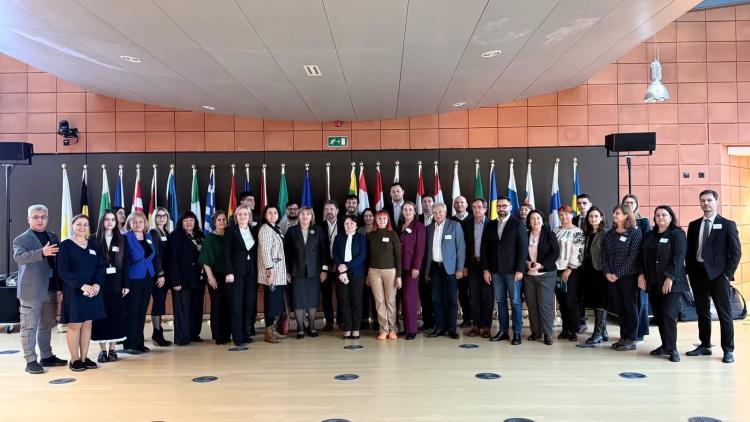
The “Civil Society for European Integration” project is a national initiative implemented by Expert-Grup in partnership with IPRE and Institutum Virtutes Civilis, funded by the European Union and co-funded by the Friedrich Ebert Foundation.
Within this project, the NGO “Pas cu Pas South Region” was one of the 15 civil society organizations selected to implement local budget monitoring activities through a subgranting mechanism.
At the regional level, the organization carried out activities to monitor the financing of road infrastructure in the Autonomous Territorial Unit of Gagauzia and the municipality of Cahul, prepared two budget analysis reports, organized roundtable discussions and information sessions, and conducted advocacy campaigns at both the local and national levels to improve the transparency and efficiency of public fund management.
- Status Completed project
- Implementation area Autonomous Territorial Unit of Gagauzia and the municipality of Cahul
- Partner Expert-Grup (ведущий координатор), IPRE – Институт европейских политик и реформ, Institutum Virtutes Civilis
-
 Central public authorities
 -
Local public authorities in the Autonomous Territorial Unit of Gagauzia and the municipality of Cahul
-
Public officials and decision-makers
-
Representatives of civil society organizations
-
Young people and students
-
Local communities, through improved management of public funds
-
 Contributed to improving the formula for calculating budget transfers by promoting the use of the "usual resident population" indicator, which was subsequently incorporated into the 2025–2027 Budget Circular
 -
Assessed the transparency of Road Fund management at the national level by evaluating funding allocation mechanisms and the clarity of allocation criteria
-
Increased public awareness of how financial resources allocated to road infrastructure are distributed
-
Strengthened dialogue between civil society and the Ministry of Finance, as well as the Ministry of Infrastructure and Regional Development
-
Assessed the management and allocation of the Road Fund in the Autonomous Territorial Unit of Gagauzia, including the transparency of decisions concerning the allocation of resources to local governments
-
Identified shortcomings related to the publication of information on the use of road infrastructure funds
-
Contributed to tangible improvements in transparency through the publication of local government decisions and the explicit identification of road sections financed in several localities
-
Monitored compliance with deadlines for transferring funds to local governments and confirmed the elimination of transfer delays in 2024
-
Increased citizens' participation in public budget hearings
-
Strengthened the organization's capacity to conduct budget analysis and evidence-based advocacy
-
Increased the level of awareness among public officials and citizens regarding the European integration agenda and EU funding opportunities
-
Promoted a stronger culture of transparency and accountability in the management of public funds for infrastructure