

PROJECT COMPLETION | March 2026 “Safer Communities through Smart Systems and Transregional Cooperation” (Cahul–Comrat)
We conclude the project with a clear finding: impact is achieved when technology is integrated into operational processes, supported through training and used responsibly, with a focus on prevention, early response and public trust.
1. Why the Project Was Needed
Effective public safety means more than responding after an incident occurs. Communities need mechanisms that support prevention, interinstitutional cooperation and coordinated response. In the southern region of the country, public space risks and social vulnerabilities require a modern approach based on strengthened capacities and smart tools used transparently and responsibly.
2. What We Achieved in Practice (Cahul–Comrat)
The project developed an integrated model, piloted in Cahul and prepared for replication in Comrat, based on three key pillars.
A) Cahul – Prevention-Oriented Technology
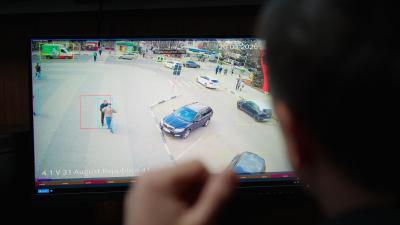
We supported the integration of a video analytics alert module into the Smart Video Service to enable early identification of risk scenarios and timely notifications to responsible teams before situations escalate.
Dorin Capcelea: “A project on paper is not the same as a project that can, in practice, prevent incidents and save lives. Technology does not replace the human factor, but it helps people intervene faster and more effectively.”
B) Comrat – Replication and Technical Planning
We supported the development of a comprehensive technical project for an integrated video monitoring and alert system, providing the foundation for sustainable replication in the future.
Lilian Carabeț: “Such projects are a real support for police work and add value to crime prevention. It is important that this model can eventually be expanded nationwide.”
C) People and Cooperation
Technology only creates impact when combined with skills and collaboration. The project included:
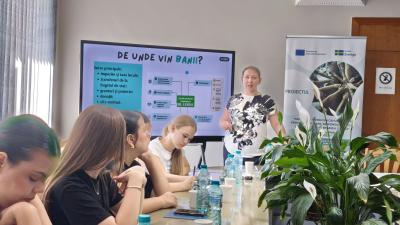
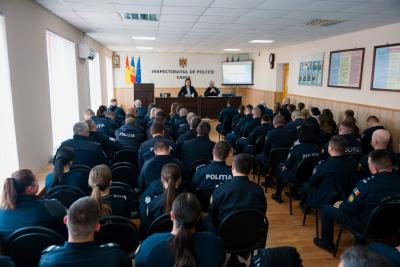
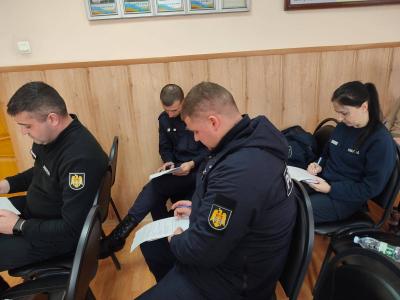
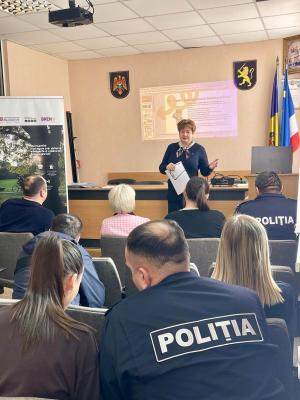
- training for 40 employees on inclusive security, gender-sensitive justice and violence prevention;
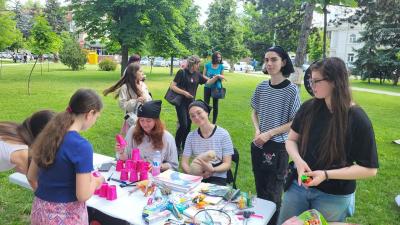
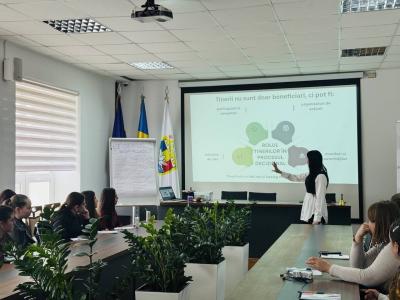
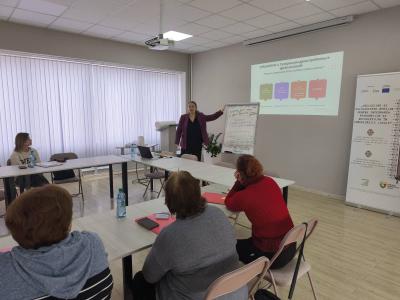
- capacity building for 100 members of vulnerable communities on human rights, prevention and intercommunity dialogue;
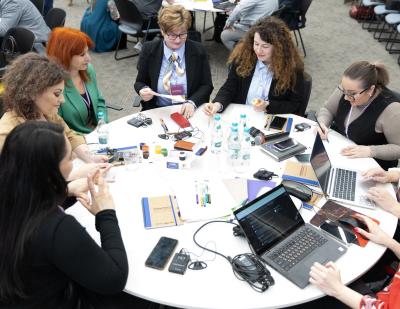
- communication and advocacy activities aimed at strengthening interinstitutional cooperation.
3. Ethics, Rules and Public Trust
A public safety project must also be a public trust project. Therefore, legal expertise was included to develop draft regulations ensuring the ethical and effective use of the system.
Tatiana Chebac (IWPR – BREN Moldova): “For us, it was important to maintain the balance between security and respect for human rights and to encourage partnerships between civil society and public institutions.”
4. Demonstration Event: Real-Time Benefits
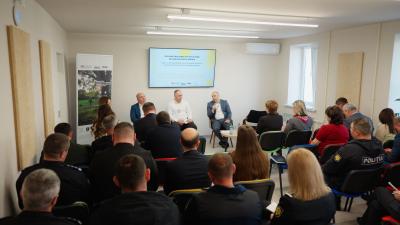
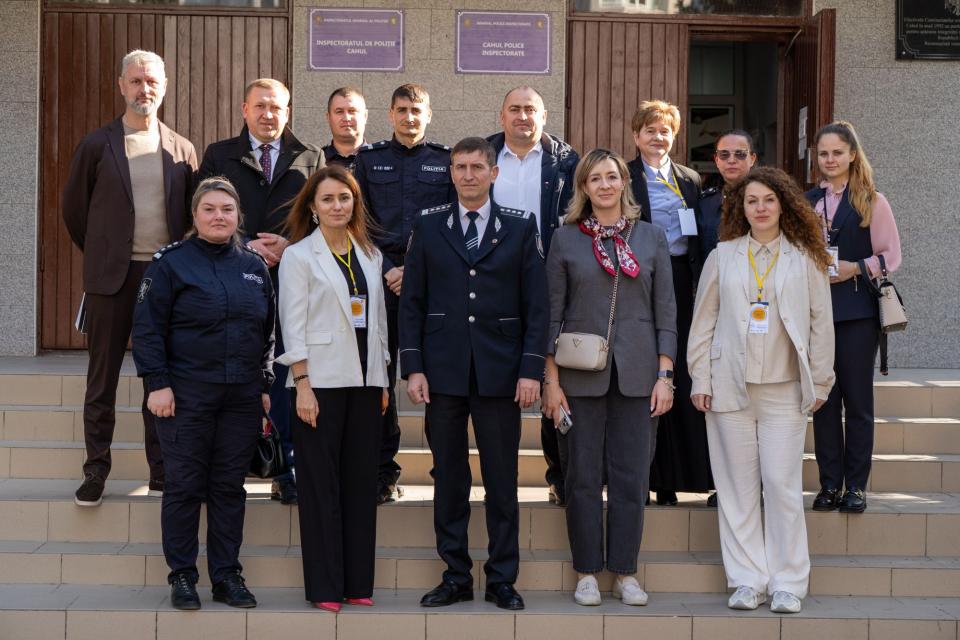
On March 23, 2026, a demonstration event was held at the Cahul Police Inspectorate Dispatch Center, where participants observed the system’s functionality and the benefits of integrating alerts into operational workflows.
Ștefan Nucă (Chief Commissioner, Cahul Police Inspectorate): “This allows us to better understand risks in the field and deploy patrols promptly. It is an important first step and a model that can be further developed.”
Svetlana Ciobanu (Executive Director of AO “Pas cu Pas regiunea Sud”): “The project was successfully implemented. It was an innovative and challenging initiative, and we thank our donors for their trust.”
We thank all institutions and individuals involved for their cooperation and trust.
The project was implemented by AO “Pas cu Pas – regiunea Sud”. Project Manager: Jessica Veliciug. Architect of the smart community safety model and Project Coordinator: Stella Bădin.
Implemented within the BREN II / IWPR programme with the support of the UK Government (UK International Development).